
The range hood might be the single busiest thing in your whole restaurant. All day, every service, it’s hauling smoke, grease, heat, and stray onion fumes right out of the air. But here’s the twist. In an open kitchen, it’s also the very first thing guests actually see. So the best custom range hood pulls real double duty, brute performance and genuine beauty, with no compromise at all.
Picking one isn’t just grabbing a box off a shelf. Not even close. Here’s what actually separates a great custom range hood for a restaurant from a totally forgettable one.
Getting the Function Right
Style is nice. Function is what keeps the doors open. Before you fall hard for a finish, the hood has to do its real job, hard, all day, without complaint.
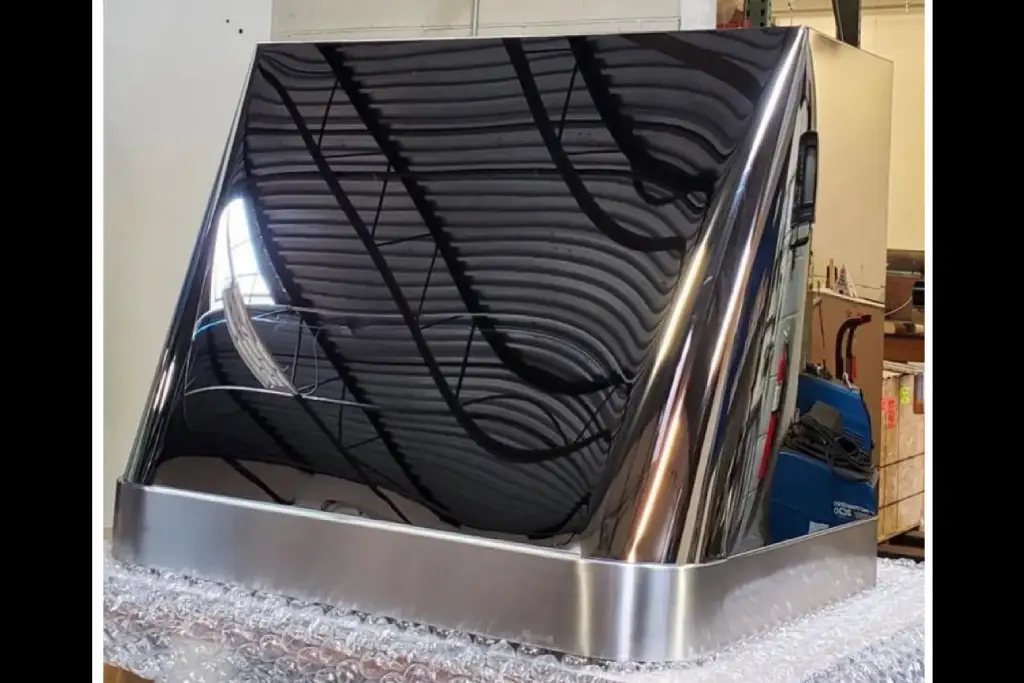
Custom Range Hood For Restaurants
Why Standard Hoods Fall Short
A restaurant line runs far hotter and much harder than any home stove ever will, full stop. The hood has to move serious air, shrug off heat and grease, and survive constant daily abuse, all while looking sharp in a kitchen everyone can see. Off-the-shelf models? They rarely tick every single box. A custom range hood does, because it’s built around your space, your line, and your workload, not somebody’s rough guess at an average kitchen.
Material, Size, and Air
Two big decisions carry the weight here. What it’s made of, and whether it can actually breathe. Get both of them right, and everything else falls neatly into place.
Picking the Metal
Metal shapes durability, cleaning, and the whole vibe of the room:
- Stainless steel, the true workhorse, tough, hygienic, wipes down in seconds.
- Copper and brass, warm and full of character, a real signature statement.
- Blackened steel, bold and industrial, for a moodier, more modern room.
Most restaurants land on stainless steel for the daily grind, but a real showpiece kitchen might want a lot more visual drama. RangeCraft’s metal options cover pretty much any concept you could dream up.
Sizing and Ventilation
Here, function beats absolutely everything. Too small or too weak, and the air never clears, so heat and smoke hang there. The hood has to fully cover the cooking equipment and pull enough air for your setup, so sizing is genuinely make-or-break. Powerful, whisper-quiet fans keep the whole line cool without ever shouting over the dining room. And this part is not optional: a commercial hood has to meet local ventilation and fire codes, including NFPA standards, so bring in qualified pros to nail it down.
Making It a Statement
Once the function is fully locked in, the real fun starts. Because in the right room, a hood stops being mere equipment and quietly becomes the very thing people stop to photograph and remember.
Why Custom Wins Every Time
Think hard about what off-the-shelf really costs you. A compromise on size. A compromise on style. A compromise on fit. A custom range hood quietly erases all three. Made to order, it matches your exact dimensions, your brand, and your whole aesthetic, sleek and minimal or warm and rustic, entirely your call. Decorative bands, hand-set rivets, a one-off finish nobody else has, and suddenly a plain functional necessity turns into a real centerpiece. That’s the whole gap between a gear that hides in the background and a custom range hood that genuinely runs the room. Ready to build one that works as hard as your crew does? Contact RangeCraft for a free estimate.
Frequently Asked Questions
What’s the best material for a restaurant hood?
Stainless steel, usually. It’s tough, hygienic, heat-resistant, and wipes clean in seconds, which is exactly what a hammered commercial kitchen needs day after day. But copper, brass, and blackened steel all show up plenty in restaurants chasing a real signature look, especially in open kitchens on full display to the room. Best pick? It rides entirely on your own mix of function, durability, style, and the impression you’re after with guests.
Does the hood have to meet code?
Yes, there’s really no way around it. Commercial kitchens follow strict ventilation and fire safety rules, including recognized standards like NFPA 96, and these rules vary quite a bit from place to place. A decorative custom hood can absolutely be both gorgeous and functional, but the entire ventilation system behind it still has to be sized correctly and fully compliant. Always loop in qualified professionals and your local inspectors to be completely sure it all passes.
How big should it be?
Big enough to fully cover the cooking equipment and pull enough air for your specific line, so a longer, busier line means a bigger, stronger hood. Undersized or underpowered, and heat, smoke, grease, and odors all linger uncomfortably in the air. Real sizing hinges on your exact equipment, menu, and layout, which is precisely why professional guidance isn’t optional here.
Why go custom instead of standard?
Because a custom hood fits your exact space, workload, and style, with no settling for a stock size that only almost works, you pick the exact material, the size, the fan power, and the finish, all of it, and in an open kitchen, it easily turns into a genuine showpiece. Want one built entirely around your kitchen? Contact Us for a free estimate.