
A commercial kitchen has smoke and grease that fill the air every day. That is why the material used for a range hood can make a great difference in keeping the kitchen clean and easier to work in.
Restaurant owners often spend most of their budget on ovens, grills and fryers. A good ventilation system is just as important because it protects the kitchen and the people working inside it.
Everyone must have visited a small burger shop that used a cheap hood made from weak metal. The hood looks rusted and cleaning it looks almost impossible.
Compared to that, if a shop is using a stainless steel one, then the difference is easy to see. The kitchen stays cleaner and the hood lasts much longer.
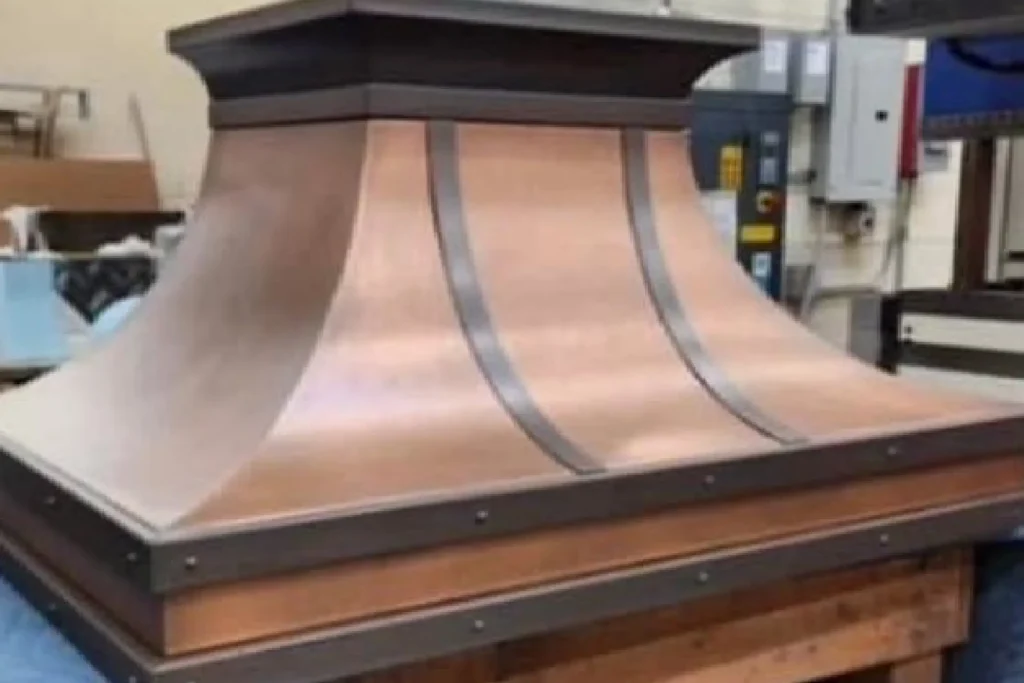
Commercial Kitchen Range Hood
Why Hood Material Selection Is Important?
Commercial kitchens deal with high heat and grease every day. A weak hood can wear out quickly and it might need changing more than you can count on your fingers. Strong materials last longer and are easier to clean.
Good hood materials help remove smoke and handle high heat in busy kitchens. They also help stop rust from forming, which keeps the system looking clean for a longer time. Strong materials are easier to clean and they improve fire safety by handling grease and heat more effectively. A strong hood also helps kitchens pass health inspections because clean surfaces are easier to maintain.
Stainless Steel Is the Most Popular Choice
Stainless steel is the best choice for most restaurants. It is strong and easy to clean and even lasts for many great years.
The benefits of Stainless Steel hoods are listed below.
- Resists rust
- Handles heat well
- Easy to wipe clean
- Looks professional
- Lasts a long time
Many restaurant kitchens use stainless steel because it just works perfectly well in busy cooking areas with lots of grease and smoke.
Galvanized Steel Costs Less
Galvanized steel is cheaper than stainless steel, but not very strong. It has a zinc coating that helps protect it from rust. Some smaller kitchens use galvanized steel to save money. It works best in places with less grease and lower heat.
Galvanized steel is actually strong enough for basic daily use and the zinc coating helps protect the surface from rust. However, it does not last as long in busy kitchens with high heat and heavy grease. Over time, the material can start to wear down and maintenance may become more difficult.
A sandwich shop may do fine with galvanized steel but a highly busy fried chicken restaurant usually needs something stronger.
Aluminum Is Light and Simple
Aluminum is lightweight and naturally resists rust. Some small kitchens use it because installation is easier. But it is not for everyone.
The best places to use Aluminum hoods are given below.
- Coffee shops
- Small bakeries
- Cafes
- Light cooking kitchens
The downside is that aluminum dents more easily than steel. It also does not handle very high heat as well. A local bakery can use aluminum because most of its cooking comes from ovens instead of grills and fryers.
Copper Looks Fancy
Copper hoods are mostly used in high-end restaurants. They give kitchens a stylish and expensive look.
Copper range hoods give kitchens a beautiful and luxurious look, which makes them popular in expensive restaurants. The material is strong and copper naturally helps fight bacteria on the surface. The biggest issue is the cost. Copper costs more than most other materials and it needs regular polishing to keep its shiny appearance. Over time, the color also changes naturally, which some restaurant owners like, while others do not.
Copper works best in open kitchens where customers can see the cooking area.
Which Material Handles Grease Best?
Time to address the elephant in the room. Stainless steel handles grease better than most other materials. Grease does not stick to it as easily and cleaning takes less time. This is very important in busy restaurants because grease buildup can become a fire risk if ignored.
How To Choose the Right Material?
There is never a simple answer. The best material depends on the type of cooking and the kitchen budget.
How do you know it, then? Ask these questions first.
- Does the kitchen produce lots of grease?
- How often does the kitchen cook?
- Does appearance matter to you?
- What is the cleaning budget?
Busy restaurants usually do best with stainless steel. Smaller kitchens may save money with lighter materials. That is just the norm but not the absolute.
Why Quality Manufacturing Is Important?
Even good metal will not perform well if the hood is poorly made. Strong welding and proper design are very important. A well-built hood improves airflow and helps remove smoke faster. On the other hand, a bad one makes things difficult.
That is why many restaurant owners work with trusted companies that specialize in commercial kitchen ventilation, such as RangeCraft Manufacturing. Professionals build super quality range hoods that help kitchens stay cleaner and easier to manage every day.
Conclusion
The material used in a commercial kitchen hood affects safety, cleaning and costs in the long run. Stainless steel remains the most trusted choice because it lasts long and handles grease very well. Galvanized steel works for smaller budgets, while aluminum fits lighter kitchens. Copper adds style to upscale spaces.
Choosing the right material helps create a safer and more comfortable kitchen that is also easy to clean.