
I’ve been watching kitchen trends long enough to know that range hoods have become serious design statements. Twenty years ago, everyone wanted stainless steel. Now? People are spending real money on custom copper range hoods and custom brass range hoods that become the centerpiece of their entire kitchen.
Both metals look amazing. I’m not going to pretend otherwise. But they’re completely different animals, and picking the wrong one means you’ll either be constantly maintaining something you can’t keep up with, or staring at a finish you don’t actually like.
The decision mostly comes down to how you feel about change. Some people love watching their kitchen evolve. Others want things to stay exactly how they looked on day one.
What They Actually Look Like
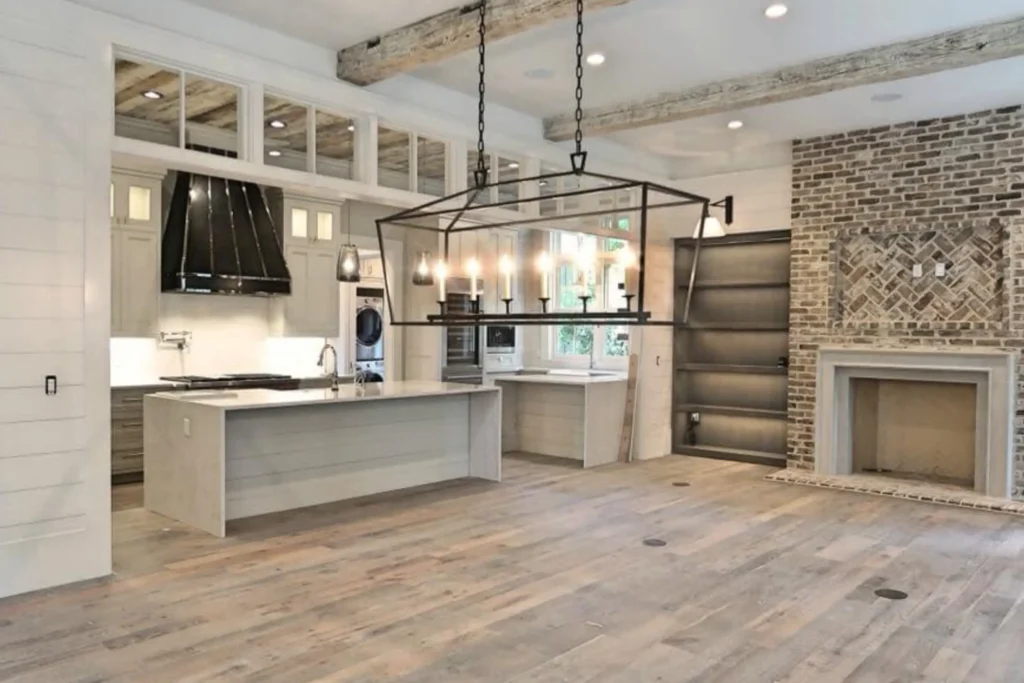
Copper Or Brass Range Hood?
Copper grabs you immediately. That reddish-orange tone is impossible to ignore. A custom copper range hood will dominate your kitchen. Not in a bad way, but it’s going to be the thing people notice first. I’ve seen copper work beautifully with white shaker cabinets, dark walnut islands, even those trendy concrete countertops everyone’s installing. The way it catches light is different throughout the day—morning sun hits it one way, evening pendant lights another.
Brass is quieter about it. Still gorgeous, but it doesn’t announce itself the same way. The golden color is warm without screaming for attention. I’m seeing brass in more modern kitchens lately, which surprised me at first. Pair it with black fixtures and marble, and suddenly you’ve got something that feels both classic and current.
The warmth is what gets people with both metals. Stainless steel looks clean and professional, sure. But it’s cold. Copper and brass bring warmth that changes the entire feel of a space.
Here’s Where It Gets Complicated
Copper changes. There’s no way around this. That bright, shiny American metal you install will darken. First it gets richer and deeper, which most people love. Then it starts developing that patina—blues, greens, brownish tones. It’s oxidation. You can’t stop it, only slow it down.
Some clients absolutely love this. They see it as character, like how a leather jacket or wooden cutting board gets better with age. Others call me six months later upset that their hood doesn’t look like the showroom sample anymore.
If you’re cooking a lot—steam, heat, grease in the air—that patina happens faster. The metal reacts to everything happening around it. You can polish it regularly and seal it, which helps. But you’re signing up for maintenance if you want to keep that original shine.
Brass tarnishes too. Every metal does. But it’s gentler. The gold tone dulls a bit over time rather than changing colors completely. I find most people can live with how brass ages. It’s predictable. Doesn’t require constant attention to keep looking decent.
What Maintenance Actually Means
Let me be straight with you about upkeep because this is where people get in over their heads.
Copper demands work. If you want it polished, you’re cleaning it monthly, maybe more. Copper cleaner, soft cloth, some actual scrubbing. Takes 15 or 20 minutes for an average-sized hood. Not terrible, but it’s not a quick wipe-down either.
You can skip all that and let it patina naturally. Plenty of people do. The metal doesn’t get damaged—it just looks completely different. But you can’t change your mind three years in and easily bring back that original finish. At that point, you’re paying someone to refinish the whole thing.
Brass is manageable. Soap, water, soft cloth for regular cleaning. When it dulls, brass polish fixes it fast. I have clients with young kids, demanding jobs, and they keep their brass hoods looking great without losing their minds over it.
Why USA Product Matters Here
Both copper and brass range hoods are available from American fabricators, and this actually makes a difference.
The gauge of metal tends to be thicker from domestic shops. You can feel it. The hood has weight and substance. I’ve seen imported hoods that dent if you bump them wrong. American metal fabricators use material that holds up.
Customization is the other piece. Need your custom brass range hood to fit weird dimensions because your ceiling slopes? Want specific vent placement? USA shops handle this stuff. You’re talking to the people actually building your hood, not playing telephone with an overseas factory through a middleman.
The quality control is better too. Cleaner welds. More consistent finishes. What you ordered is what shows up, not some approximation of it.
Which One Fits Your Life?
Copper makes sense if you’re going bold with your kitchen. Natural materials, textured walls, statement lighting—copper fits that energy. It’s also great if you genuinely like the idea of your kitchen changing over time. Some people find that exciting. Others find it stressful.
A custom brass range hood works when you want high-end without high drama. You get beautiful metal without committing to constant upkeep. Brass also mixes well if you’ve got stainless appliances or other metal finishes in the space. It doesn’t fight with everything else.
Look at what’s already in your kitchen. Brass cabinet hardware? Copper pots? Matching your hood to existing metals creates flow. Or do the opposite—copper hood with brass accents—for intentional contrast.
The Money Part
Neither option is cheap. Both need professional installation because they’re heavy and venting has to be done right. Factor in installation costs when you’re budgeting.
Custom copper range hoods usually cost more than brass. Copper prices bounce around based on the market, but you’re typically paying a premium. Brass gives you similar impact for slightly less money.
Either way, this is an investment. These aren’t the builder-grade hoods you replace in five years. A well-made hood from a good fabricator lasts for decades. The metal holds up. The craftsmanship doesn’t fall apart.
Bottom Line
Pick the metal you’ll be happy looking at every day and can actually maintain at the level it needs. Copper is stunning but demanding. Brass is beautiful and realistic for most people’s lives.
Both are worth the investment if you choose based on what actually works for your kitchen and your schedule. Just don’t pick copper if you hate polishing and then get mad when it develops patina. That’s on you, not the metal.