
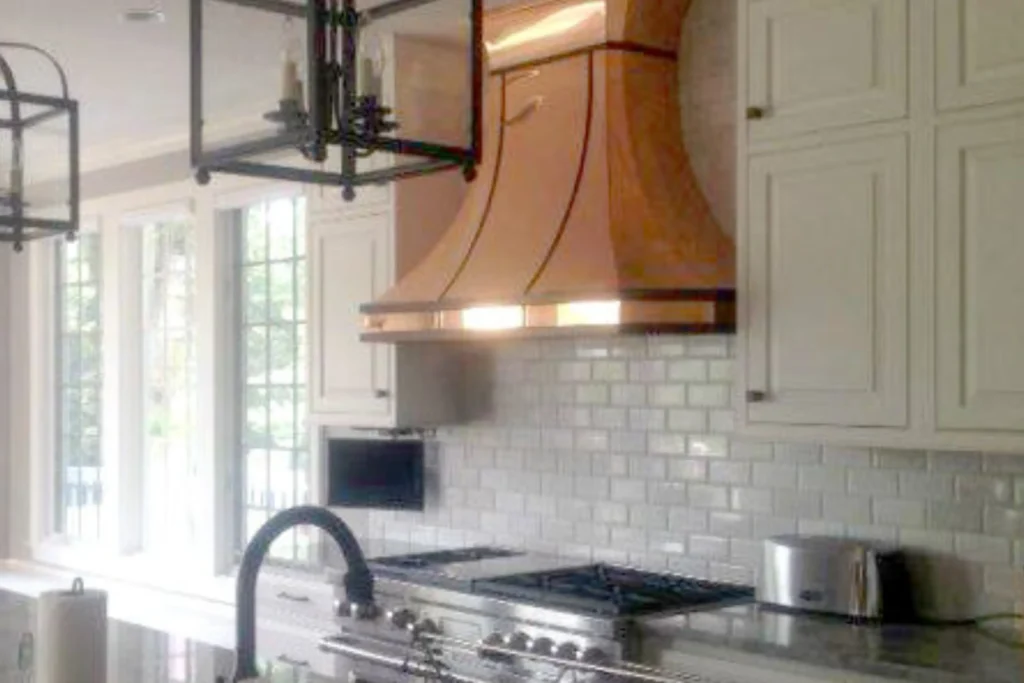
A brand new copper range hood shines bright in the kitchen – almost orange in certain light. Six months later, darker tones creep in around the edges. Green spots appear near the seams. Something must be wrong, right?
Not at all. Copper and brass behave this way naturally. The patina developing on the surface isn’t damage or a defect. It’s oxidation, and many homeowners actually want it. Others prefer keeping their custom range hood looking factory-fresh. Both options work, but each requires different care.
The confusion usually starts when patina first appears. People choose copper or brass specifically for the look, then panic when the metal starts changing color. Understanding what’s happening and knowing how to control it makes all the difference.
What Patina Actually Is
Do You Take Care Of Your Range Hood?
Oxidation happens when copper or brass meets oxygen and moisture. In a kitchen, that’s constant. Cooking produces heat, steam, and grease particles – all of which speed up the chemical reaction.
Fresh copper starts bright and shiny. Over time, brown tones develop. Left untreated for years, the distinctive blue-green verdigris appears – the same color seen on old church steeples and historic statues.
Brass takes longer because the zinc content slows oxidation. The golden tone shifts to darker amber before developing its own patina. A brass range hood in an active kitchen will show changes within months, though not as quickly as copper.
This isn’t like rust on iron. The patina actually protects the metal underneath from further corrosion. Copper roofs last centuries partly because of this protective layer.
Three Approaches to Maintenance
Homeowners need to decide early what look they’re after. Changing strategies midway creates uneven results that look worse than committing to either extreme.
Maintaining the Original Shine
Keeping a copper range hood permanently bright takes consistent effort. Monthly polishing is standard for copper, every six weeks for brass. Quality metal cleaner matters here – generic polish doesn’t cut it.
Apply cleaner with a soft cloth in small sections. Buff thoroughly. After polishing, a thin wax coat creates a barrier against kitchen moisture and heat. Renaissance Wax or car wax both work. Reapply every few months as the wax wears down from cleaning and heat exposure.
This fights the metal’s natural behavior. It works, but plan on regular maintenance indefinitely.
Controlled Patina Development
Most people land somewhere in the middle. Some patina adds character, but controlling where and how much keeps the custom range hood looking intentional.
Soap and water every couple of weeks removes grease without stripping the developing patina. When certain spots develop more color than desired – around rivets or seams, typically – treat just those areas with cleaner. Leave the rest alone.
The result looks lived-in but cared for. No wax needed since the patina provides some protection on its own.
Full Natural Aging
Rustic kitchens, farmhouse styles, and homeowners who specifically want that antique appearance choose this route. The care routine couldn’t be simpler.
Clean off grease and cooking residue with soap and water. Let oxidation happen naturally. The copper range hood develops rich browns first, gradually moving toward blue-green over several years. The metal will never look perfect again – that’s the goal.
Cleaning Without Damaging Patina
Regular kitchen grime needs removal, whether patina is desired or not. Grease buildup, dust, and cooking residue sit on top of the oxidized layer.
Dish soap and warm water handle most cleaning. A few drops of soap in warm water, applied with a soft cloth, removes surface dirt without affecting the patina underneath. For stubborn grease – and range hoods collect plenty – add white vinegar to the soap solution. The mild acid cuts grease without being harsh enough to strip oxidation.
Never use abrasive scrubbers. Steel wool, rough sponges, and abrasive pads scratch the surface and remove patina in uneven patches. Soft cloths or microfiber towels only.
Removing Unwanted Patina
Sometimes the oxidation doesn’t develop evenly. Water stains create rings. Blotchy spots appear. Or maybe a house purchase included a copper range hood that’s aged too far for current tastes.
Several methods strip patina, ranked from gentle to aggressive:
Lemon and salt work for a light patina. Cut a lemon in half, dip it in salt, and scrub the metal. The citric acid, combined with the salt’s mild abrasive quality, removes light to moderate oxidation. Rinse thoroughly.
Commercial copper and brass cleaners are formulated for this exact purpose. Follow the directions on the bottle. Most get applied, sit briefly, then get buffed clean. These work faster than natural methods.
Heavy patina or verdigris needs stronger treatment. Mix equal parts flour, salt, and white vinegar into a paste. Apply it, wait an hour, scrub with a soft cloth, rinse. This handles severe cases.
After stripping patina, the metal returns to its original bright state. Seal it immediately with wax if keeping that look is the goal.
Slowing Down Oxidation
Prevention matters more than correction for anyone wanting to maintain the original finish on their brass range hood or copper range hood.
Wipe down the hood after serious cooking sessions. Grease and steam moisture accelerate oxidation. A thirty-second wipe with a dry cloth makes a measurable difference over time.
Wax application every three to four months creates a protective barrier. The coating gradually wears away from heat and cleaning, so consistent reapplication is necessary.
Running the range hood during cooking removes moisture and heat before they affect the metal surface as much. Better ventilation equals slower patina development.
Harsh chemicals accelerate problems. Bleach, ammonia-based cleaners, and strongly acidic products speed up oxidation and cause uneven discoloration. Mild soap handles routine cleaning without these issues.
How Factory Finishes Change the Game
Manufacturing choices affect how a custom range hood ages and what care it needs.
Polished finishes show every bit of patina development. They’re the shiniest option and require the most maintenance to stay that way. Any color change stands out immediately against the bright background.
Hammered or textured finishes camouflage oxidation better. The texture creates shadows and visual variation that hide color changes from patina. These work better for homeowners wanting lower maintenance.
Sealed finishes come with factory-applied protective coating. This delays patina formation significantly, sometimes for years. Eventually, the seal breaks down and oxidation begins. At that point, homeowners can reapply sealant or let nature take over.
Antique or pre-patinated finishes are manufactured to look aged from day one. These need minimal maintenance since they’re already where natural aging would eventually take them. Just keep them clean.
Making It Work Long-Term
Metal oxidizes. That’s basic chemistry. Even with careful maintenance and regular waxing, some patina will eventually appear on a copper range hood or a brass range hood. Fighting it completely is possible, but requires dedication.
The real question is how to manage the change. Some people appreciate the evolving appearance as the metal develops character. Others prefer maintaining the original look through consistent care. Neither choice is wrong.
Inconsistent care is the problem. Starting a polishing routine and then abandoning it creates uneven oxidation that looks neglected rather than natural. Pick the desired appearance and commit to whatever care routine achieves it.
A custom range hood dominates the kitchen visually. Whether it stays bright or develops rich patina over the years of cooking, proper care keeps it looking intentional. That distinction – intentional versus neglected – matters more than the specific finish chosen.