
So you’ve decided to go for a custom range hood. Smart choice. It’s one of those decisions that transforms your kitchen from just another cooking space into something that actually reflects your style.
But here’s what nobody tells you upfront: patience is part of the package. You’re looking at roughly 8 to 12 weeks from that first conversation to the day your hood gets mounted above your stove.
Worth the wait? Absolutely. But let’s walk through what actually happens during those weeks so you’re not left wondering where your money went.
The First Few Weeks:
Getting Your Vision on Paper
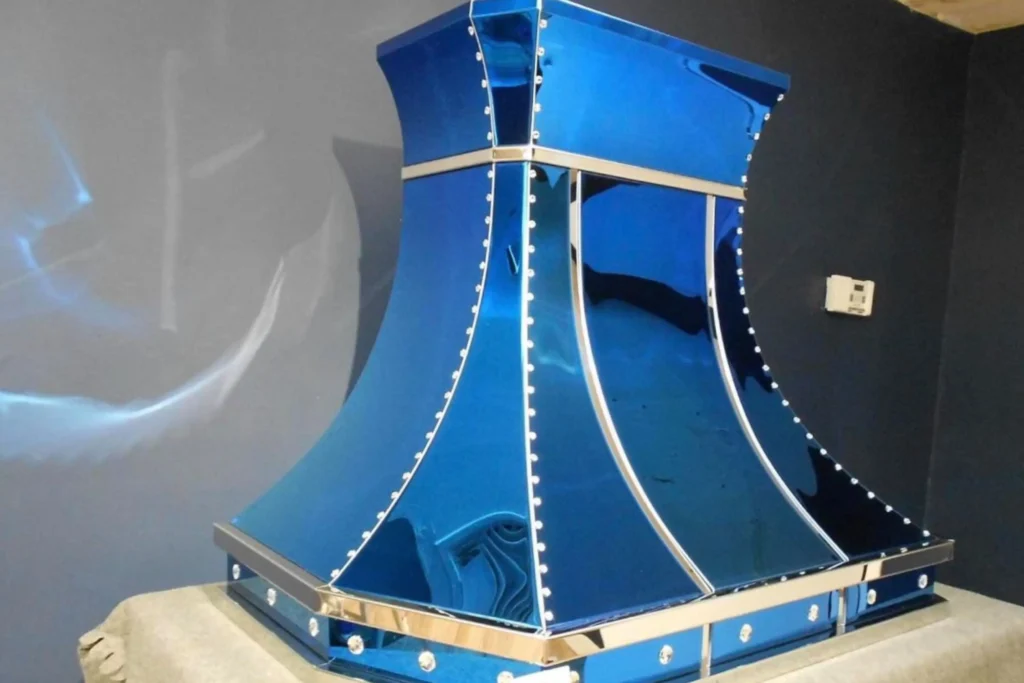
Let Us Customize Your Range Hood
Week one starts with talking. A lot of talking. You’ll chat with the design team about what you want, what you need, and what’s actually possible within your space. They’ll ask about your cooktop size, your ceiling height, and whether you’re venting outside or recirculating air. Some of this feels tedious, but every measurement matters when you’re building something from scratch.
Then comes the fun part – picking your style and materials. Copper with a hammered finish? Sleek stainless steel? Something with decorative straps or a smooth, modern look? American-made range hoods come in materials that’ll last decades, so this choice sticks with you.
The team creates drawings. Not just simple sketches either – detailed blueprints and often 3D renderings that show your hood from every angle. You can see how it’ll look against your cabinets, how much space it takes, and whether that decorative band you wanted actually works with the proportions. Change your mind about the width? Want to add some detail you saw in a design magazine? Now’s when you speak up.
Most shops ask for half the total cost once you sign off on the design. That payment gets the wheels turning on actual production.
Week Three: The Quiet Week
This week feels like nothing’s happening. You’ve paid your deposit. You’ve approved the drawings. And then… silence.
But behind the scenes, materials are being ordered. The copper sheets your hood requires don’t just sit around in warehouses. Neither does the specific grade of stainless steel the shop uses. Quality materials from domestic suppliers take time to source, and manufacturers who build custom range hoods don’t compromise on this step.
Think of it like this: you wouldn’t want them grabbing whatever metal was lying around just to speed things up, right?
Weeks Four Through Seven: Where Your Hood Actually Gets Built
This is where craftspeople earn their money. Raw metal arrives at the shop, and skilled hands transform it into your kitchen’s future centerpiece.
Cutting Everything to Size
First, they cut. Precision equipment does most of the heavy lifting, but experienced fabricators still check measurements by hand. One-eighth of an inch might not sound like much, but it’s the difference between a perfect fit and a frustrating installation day.
Putting It All Together
Welding comes next. For copper range hoods especially, this requires real skill. The welds need to be strong enough to support the hood’s weight and smooth enough to look intentional. Some custom designs actually showcase the seams as a design feature – those gorgeous visible copper bands you see on high-end hoods? That’s welding turned into art.
Making It Beautiful
Then comes finishing, and this can’t be rushed. Copper develops that rich patina through controlled processes that take days. Stainless steel gets brushed or polished to just the right sheen. Hand-hammered textures? Someone literally hammers them by hand. This stage determines whether your hood looks like a million bucks or just looks expensive.
Week Eight: Making Sure Everything’s Perfect
Before your range hood goes anywhere, inspectors go over it with what might as well be a magnifying glass. They check dimensions against your original drawings. They examine every weld, every seam, every inch of the finish.
Find a scratch? They refinish that section. Measurement off by a fraction? They fix it. This might add a few days, but it beats dealing with problems after the hood arrives at your house.
Weeks Nine and Ten: Getting It to You
Shipping a custom range hood isn’t like dropping a package at FedEx. These pieces need custom crating to protect both the finish and the structure. Corners get padded. Surfaces get wrapped. The whole thing gets secured so it doesn’t shift during transport.
How long shipping takes depends mostly on geography. If you’re in California and the shop’s in North Carolina, expect longer transit than someone who lives two states over. Many manufacturers offer delivery services that include unpacking and hauling away all those shipping materials. Costs extra, but it’s worth considering if you don’t want to deal with a mountain of custom crating in your driveway.
Weeks Eleven and Twelve: Installation Day
Here’s where things get real. Custom range hoods are heavy – much heavier than those standard models from big-box stores. Professional installation isn’t optional. These hoods need to mount securely to wall studs or ceiling supports, and the ventilation has to connect properly.
Your installer tests the airflow, makes sure everything’s level, and confirms the hood sits at the right height above your cooktop. Too low and you’ll bang your head. Too high and the ventilation loses effectiveness.
Once everything’s installed, you’ll get a rundown on care and maintenance. Copper needs a different treatment than stainless steel. Knowing how to clean your hood properly keeps it looking gorgeous for years.
Building This Into Your Renovation Plans
Here’s my honest advice: order your custom range hood before you knock down a single wall. Kitchen renovations never go exactly as planned. Your cabinets might get delayed. Your contractor might need to reschedule. You might discover surprise plumbing issues behind the walls.
Having your hood ready early gives you breathing room. It sits safely in storage while everything else catches up, and you’re not stuck with a finished kitchen and a gaping hole above your stove.
That 8 to 12 week timeline is fairly standard for most projects. Add a few weeks if you’re ordering during busy seasons or if your design includes particularly complex details. Specialty finishes take longer. Intricate decorative elements need extra fabrication time.
Talk openly with your manufacturer about your target installation date. Give them the real deadline, not the hopeful one. They’ll work with you to hit that date while still maintaining the quality standards that make American-made range hoods worth the investment in the first place.